저희와 상담해 보세요 서버 섀시 엔지니어 및 영업팀




구독자 24,000명
사용 목적, 섀시 유형, 랙 높이, 마더보드, GPU, 드라이브 베이, 전원 공급 장치, 냉각 시스템, I/O 및 주문 수량을 알려주십시오. 당사의 엔지니어 및 영업팀이 귀사의 프로젝트에 적합한 표준 모델 또는 OEM/ODM 구성을 추천해 드리겠습니다.
구독자 24,000명
사용 목적, 섀시 유형, 랙 높이, 마더보드, GPU, 드라이브 베이, 전원 공급 장치, 냉각 시스템, I/O 및 주문 수량을 알려주십시오. 당사의 엔지니어 및 영업팀이 귀사의 프로젝트에 적합한 표준 모델 또는 OEM/ODM 구성을 추천해 드리겠습니다.

Wall mount case applications place electrical and electronic components in a compact, secure enclosure fixed to a wall or machine structure. They protect equipment, organize wiring, and preserve service access without consuming floor or desk space. Electrical engineers, panel builders, system integrators, OEMs, facility teams, and infrastructure installers use them across industrial and commercial projects.
A wall-mount case is a cabinet or box that protects electrical or electronic equipment while supporting fixed, space-efficient installation. Use one when components need organized mounting, controlled access, physical protection, and convenient maintenance without a floor-standing enclosure.
Common locations include factory walls, machine frames, utility rooms, telecommunications spaces, rooftops, and remote sites. A suitable case can reduce exposure to dirt, moisture, incidental contact, and unauthorized access while keeping terminals and wiring accessible. NEMA identifies electrical enclosures across building, industrial, and utility applications.
Industrial automation wall mount case applications protect controllers, relays, terminals, communication hardware, and machine-control components near the process they operate. This arrangement can shorten field wiring, centralize controls, and simplify diagnostics.
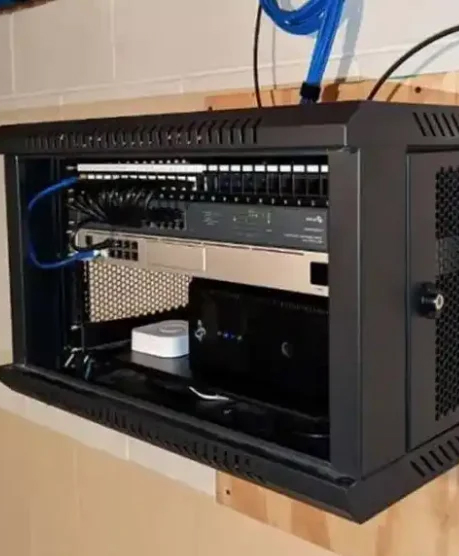
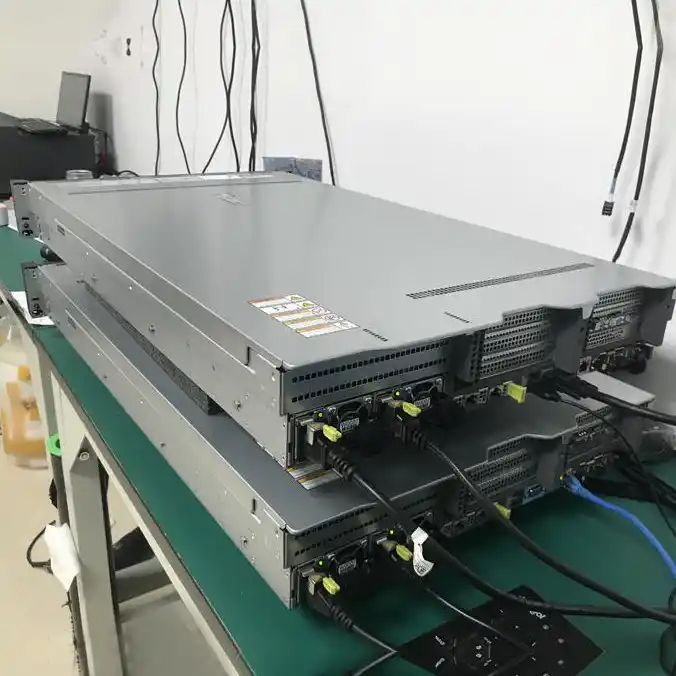
Houses PLCs, I/O, relays, power supplies, switches and HMIs with clear routing and service access.
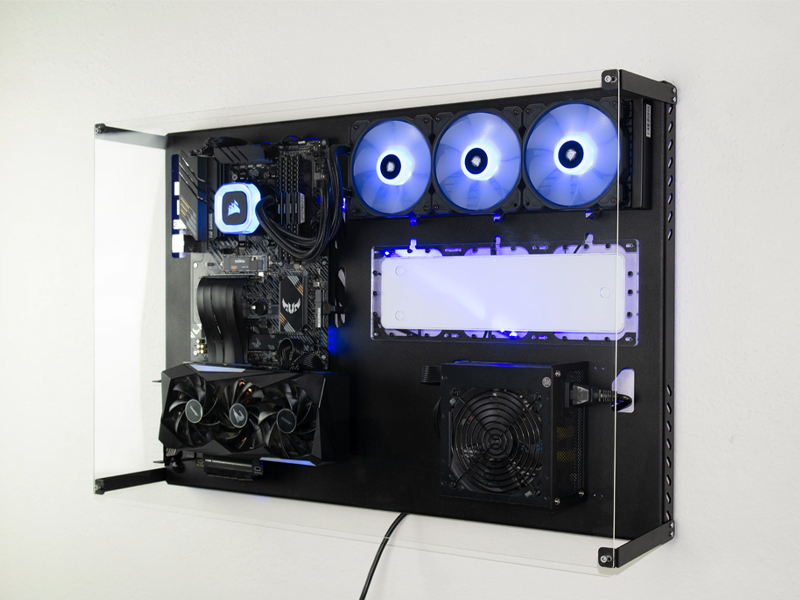
Wall-mount cases organize and protect circuit breakers, disconnects, relays, terminals, metering devices, and low-voltage distribution components. They provide defined cable-entry points and service access while limiting contact with energized or sensitive parts.
Size the case for conductor routing, wireways, door-mounted devices, and maintenance space. Review heat dissipation before adding ventilation, filtered fans, heat exchangers, or cooling. Every opening and accessory affects the completed enclosure, so teams must also confirm equipment instructions, applicable electrical codes, fault considerations, and local requirements.
A wall-mount case can protect network switches, routers, fiber terminations, patching hardware, recording equipment, alarm panels, access-control modules, power supplies, and related cabling. A lockable enclosure helps manage exposure to dust, impact, tampering, and uncontrolled cable movement.
Plan device depth, cable bend radius, power-and-data separation, grounding or bonding, ventilation, and door clearance. CCTV recorders and network devices may produce continuous heat, so indoor installations still need a thermal review. NEMA recognizes telephone cabinets, telecommunication rooms, access control, intrusion detection, networking, and emergency communication systems.
Wall-mount cases provide a protected hub for HVAC controllers, building-management gateways, sensors, data-acquisition modules, meters, communication converters, and remote-monitoring units. They consolidate connected-building equipment while keeping it accessible for commissioning and troubleshooting.
Applications include air-handling systems, plant rooms, lighting controls, energy-management networks, and distributed IoT installations. Buyers should assess signal connectivity, antenna placement, cable entry, condensation risk, service clearance, and heat from power supplies or gateways. NEMA describes connected buildings as integrations of sensors, monitors, actuators, controllers, communications, HVAC, lighting, and low-voltage distribution.
Wall-mount cases are used for solar monitoring, energy controls, utility instrumentation, roadside systems, transportation equipment, pumping stations, and remote communications. These sites may expose equipment to temperature changes, rain, wind-driven dust, sunlight, corrosion, condensation, pests, and limited maintenance access.
Typical contents include meters, data loggers, gateways, control relays, field terminals, and auxiliary power components. The U.S. Department of Energy notes that photovoltaic monitoring uses metering and instrumentation and identifies weather, water, corrosion, and inadequate enclosures as project risks.
It can house PLCs, distributed I/O, relays, power supplies, Ethernet switches, HMIs, and terminal blocks.
It protects control equipment, organizes wiring, and keeps components accessible for inspection and service.
Proper spacing and cable routing support ventilation, heat management, wiring access, and maintenance.
Yes. NEMA’s industrial automation scope includes programmable controllers, process controllers, and distributed control systems.
Group devices by function, follow manufacturer clearance requirements, and leave adequate room for cables, airflow, and service access.
Share your component list, dimensional requirements, mounting method, cable-entry plan, thermal load, and exposure to dust, water, corrosion, or chemicals. We’ll help you compare materials, sizes, cooling options, and the appropriate IP or NEMA rating for your installation environment.


