Dual-Node Server Case Applications for Dense, Reliable Computing

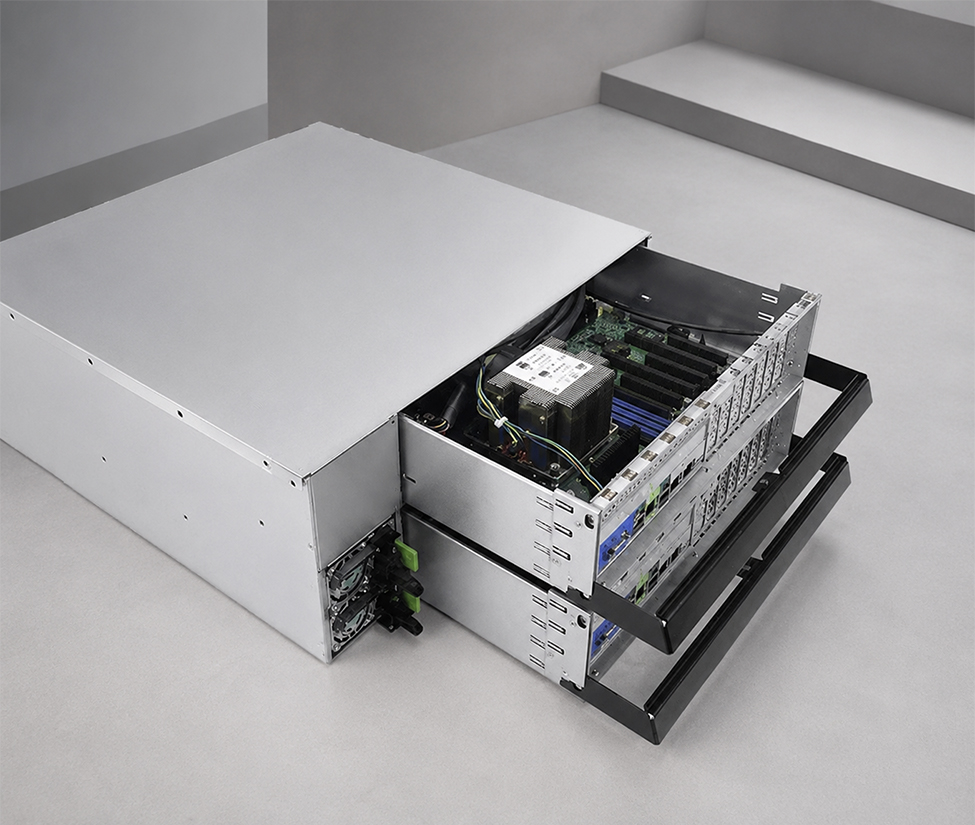
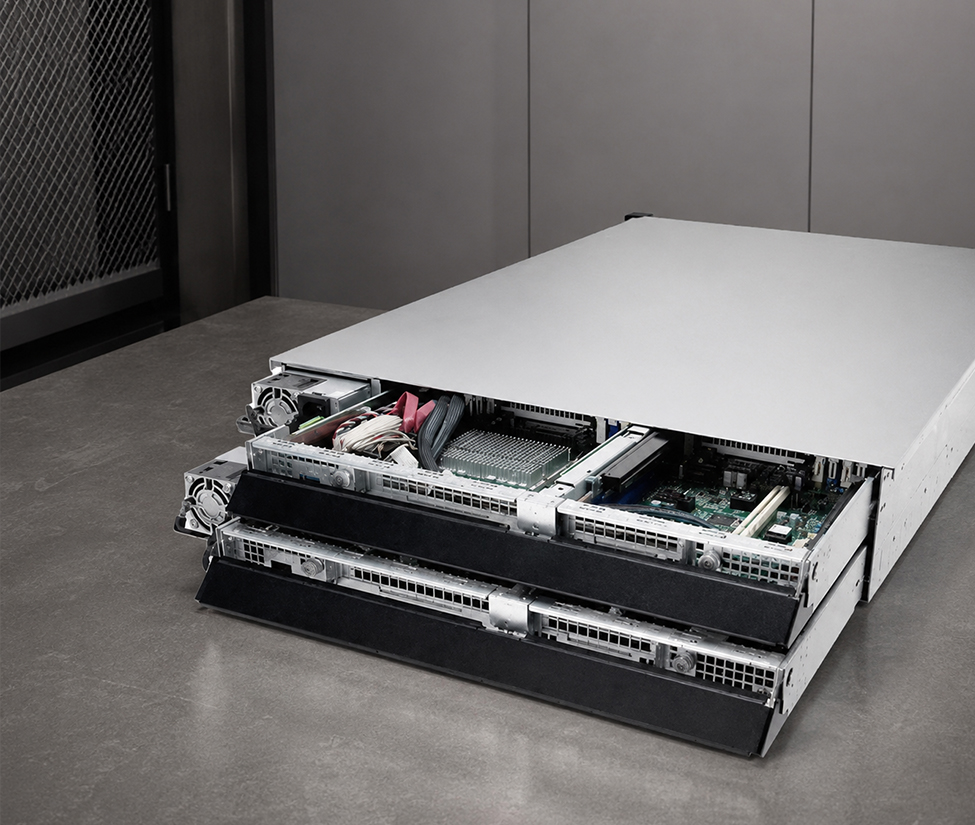
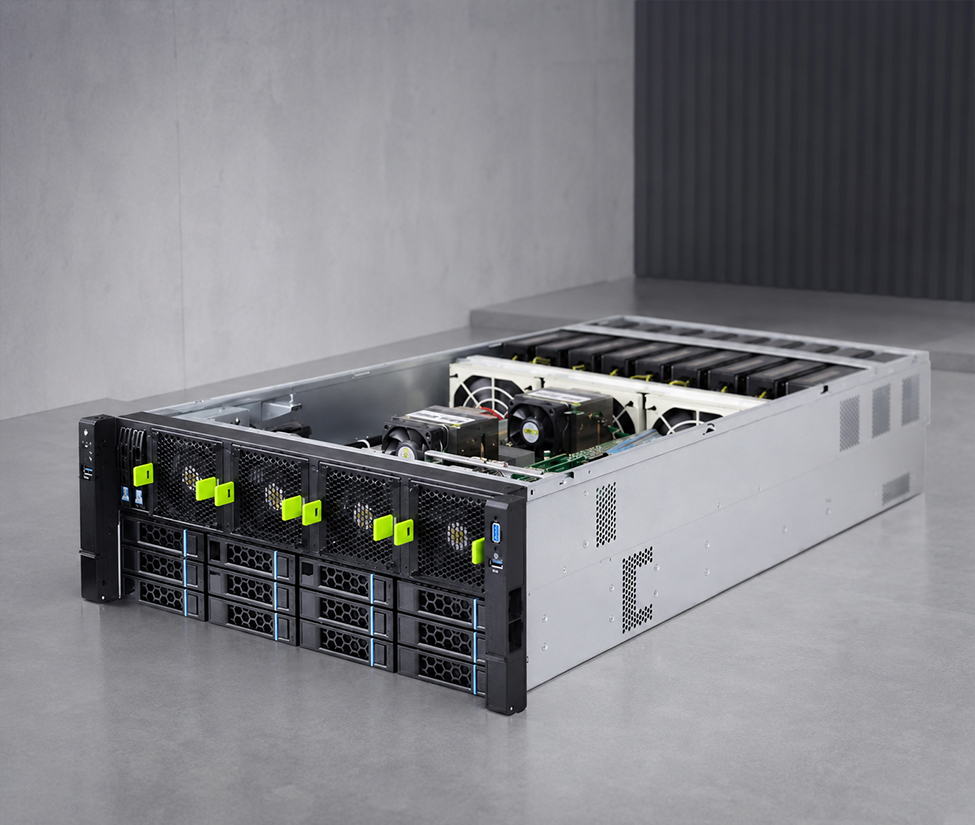
A dual-node server case places two independent computing systems inside one physical enclosure. Each system can run its own processor, memory, storage, operating system, and workload, while selected chassis-level resources—such as cooling, power, and management—can be shared. This compact architecture is built for high availability, virtualization, AI, cloud services, and data centers that need more performance from limited rack space.

What Is a Dual-Node Server Case?

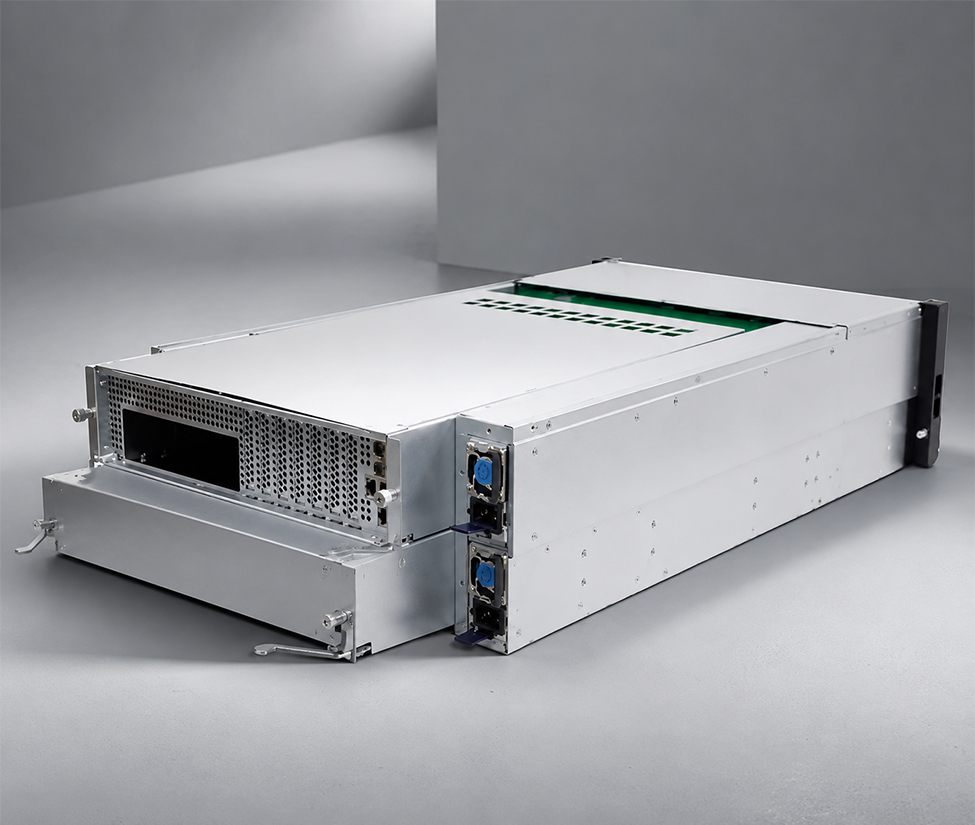
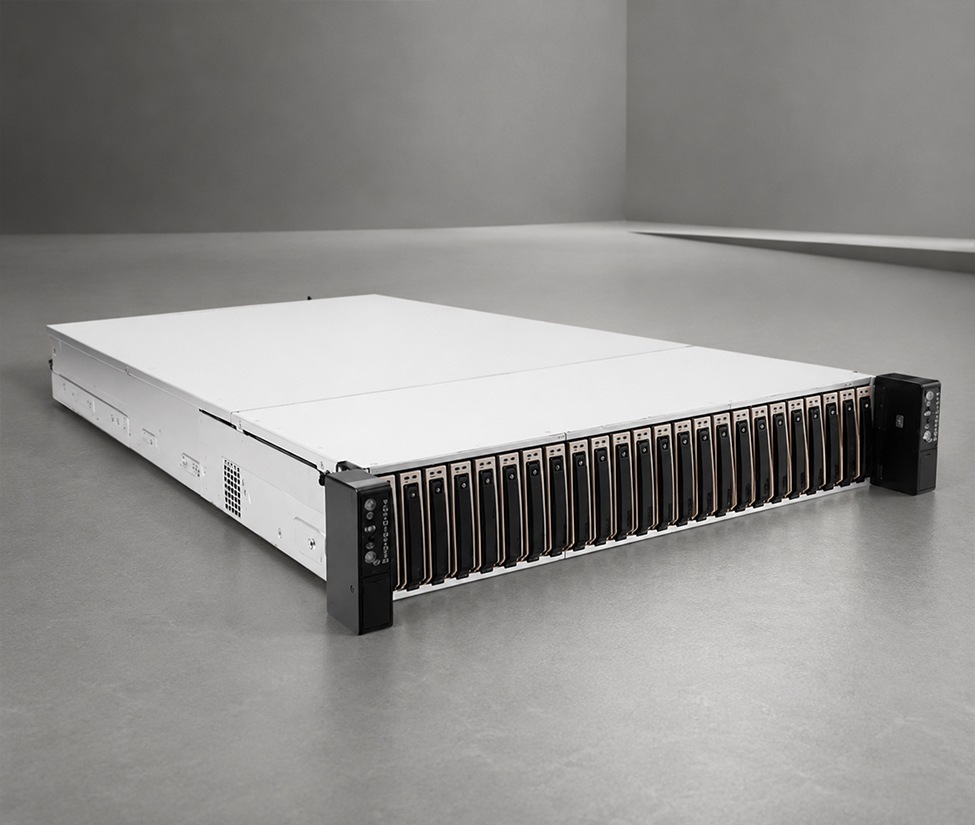
A dual-node server case, sometimes called a twin server chassis, houses 2 servers in one chassis. Each system operates as a standalone computer with its own CPU, memory, firmware, PCIe devices, network interface, and software environment.

Unlike a traditional rackmount server, this design can centralize redundant power supplies, high-efficiency fans, management tools, and selected backplane connections. It combines independent computing with a smaller footprint and simpler deployment.

Dual Node Server Case Applications

How Does It Improve High Availability?

A two-node cluster can support active-passive or active-active operation. In an active-passive setup, one system carries the primary application and the other is prepared for failover. In an active-active setup, both systems process traffic and share the processing load. If one system becomes unavailable, the other can continue according to the design.

This cluster-in-a-box approach is useful for databases, file services, virtual machines, private cloud platforms, and applications where availability of services, redundancy, and reliability are essential.

Which Applications Need More Compute Density?

A compact architecture is valuable when organizations need more computing within each rack unit. Typical use cases include hosting, content delivery, software development, cloud-native applications, big data, distributed databases, AI inference, rendering, and scientific modeling.

By placing multiple nodes in a single chassis, operators can reduce separate enclosures, cables, fans, and power connections. The result is easier expansion and more efficient use of rack space.

Dual Node Server Case Applications

Can It Support Virtualization and HCI?

Each system can run independent hypervisors, virtual machines, containers, or HCI software. This makes the platform suitable for a compact virtualization cluster, branch-office private cloud, development lab, edge deployment, or redundant application platform.

Local drives may be assigned independently, or the systems can use shared or distributed storage. Ethernet, InfiniBand, or another high-speed, low-latency interconnect can support synchronization, management traffic, and data movement.

Is It Right for AI and HPC?

A properly engineered platform can support CPU-intensive AI, analytics, engineering, simulation, and HPC workloads. Capability depends on processor choice, memory bandwidth, cooling, power, storage capacity, and compatibility with PCIe accelerators or fast adapters.

Platforms using Intel or other server-class processors can be combined into a scalable cluster. This provides a practical path from a compact 2-node installation to larger high-performance computing infrastructure.

Dual Node Server Case Applications
تطبيقات حالة خادم وحدة معالجة الرسومات

Why Choose Our Two-Node Chassis?

Choose a two-node platform when you need independent computing, reduced rackmount footprint, streamlined cabling, flexible allocation, and scalable deployment. It is an efficient foundation for virtualization, HCI, AI, hosting, data services, and edge applications.

Compare compatibility and serviceability across multi-node server designs, including Supermicro Twin platforms and other standards-based systems. Contact our team to configure a high-performance solution around your motherboard format, processor platform, drive count, connectivity, cooling, and long-term scalability.

ما هي القضبان التوجيهية للهيكل؟

What products does iSTONECASE offer?

iSTONECASE supplies GPU server cases, rackmount and wallmount chassis, NAS cases, ITX cases, server chassis, and guide rails. Standard and customized solutions are available for data centers, AI computing, storage, and enterprise IT systems.

Choose according to your GPU quantity and size, motherboard format, cooling requirements, storage capacity, and rack space. iSTONECASE offers 4U, 5U, and 6U GPU chassis for AI, deep learning, HPC, and cloud applications.

Yes. iSTONECASE can customize chassis dimensions, internal layouts, cooling systems, drive bays, connectors, appearance, and branding. Its OEM and ODM services cover design, engineering, prototyping, and production.

Check the chassis height, equipment weight, cabinet depth, mounting dimensions, and required extension. iSTONECASE offers guide rails for 1U–4U chassis, with listed load capacities from 38 kg to 100 kg per pair.

Customized OEM or ODM orders generally start from 50 units. Standard products are typically ready within 7–10 business days, while customized orders may take longer; products include a three-year warranty against manufacturing defects.

Ready to select a chassis guide rail?

Submit your equipment dimensions, operating load, required travel, and environmental conditions to receive a suitable rail-system recommendation.